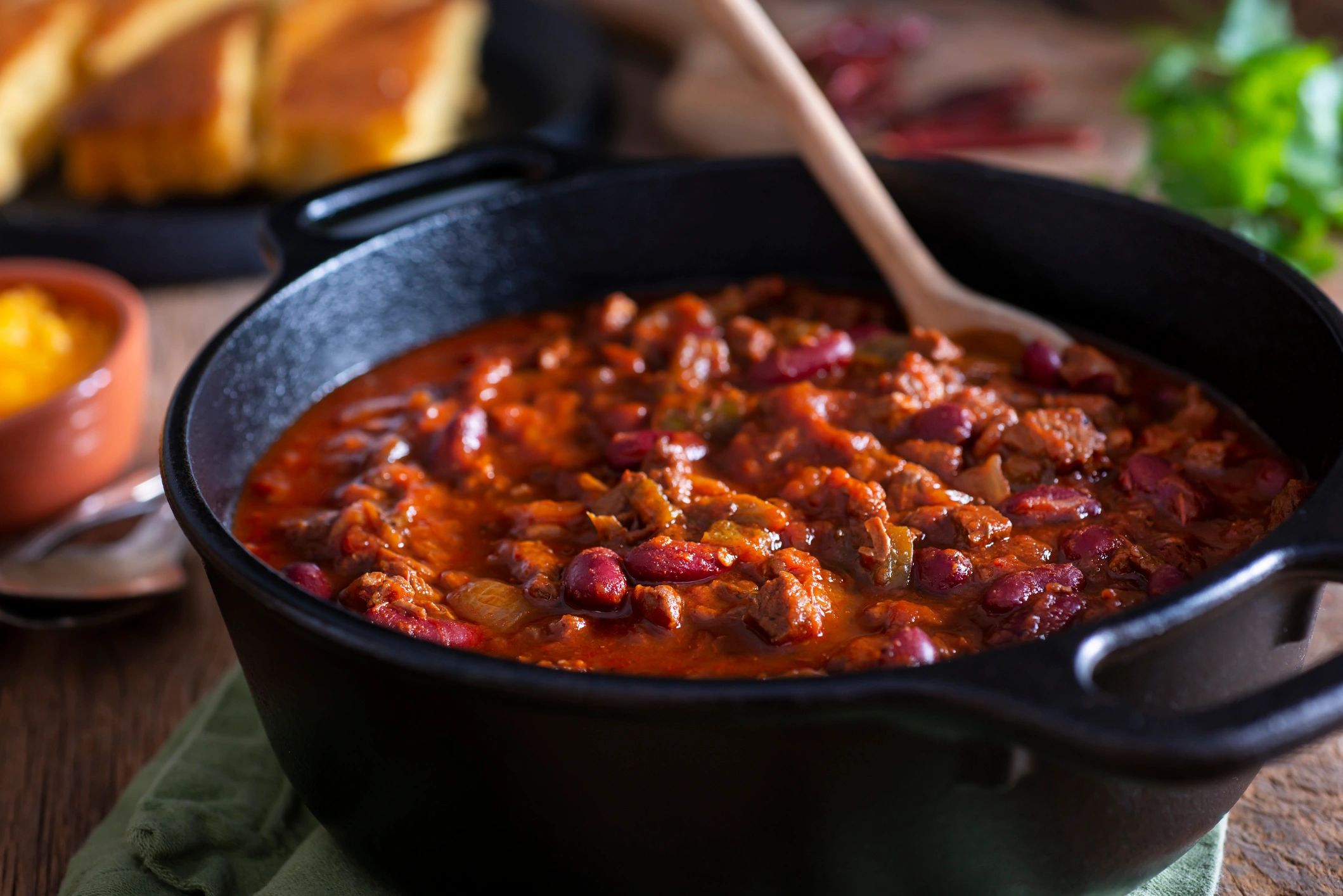
Easy ingredients. Minimal cleanup. Big campfire flavor.
Ingredients
2 pounds baby potatoes, halved
2 tablespoons olive oil
1 teaspoon garlic powder
1 teaspoon smoked paprika
Salt and black pepper
2 tablespoons chopped parsley, optional
Equipment
Heavy-duty aluminum foil
Campfire gloves or long tongs
Knife and cutting board
Preparation
Toss the potatoes with oil, garlic powder, paprika, salt, and pepper. Divide between two large sheets of foil and fold each into a tightly sealed packet.
Cooking Instructions
Build a bed of steady, glowing coals.
Set packets on the coals, not in tall flames.
Cook 25 to 35 minutes, turning once halfway through.
Open carefully, test a potato for tenderness, and finish with parsley if using.
Camp Cooking Tips
Cut potatoes to similar sizes so they cook evenly. Double-wrap packets if your foil is thin, and leave a little room for steam inside each packet.
Easy ingredients. Minimal cleanup. Big campfire flavor.
Ingredients
1 1/2 cups milk chocolate chips
2 cups mini marshmallows
Graham crackers for dipping
Strawberries or pretzels, optional
Equipment
Small cast-iron skillet
Foil
Campfire gloves or tongs
Preparation
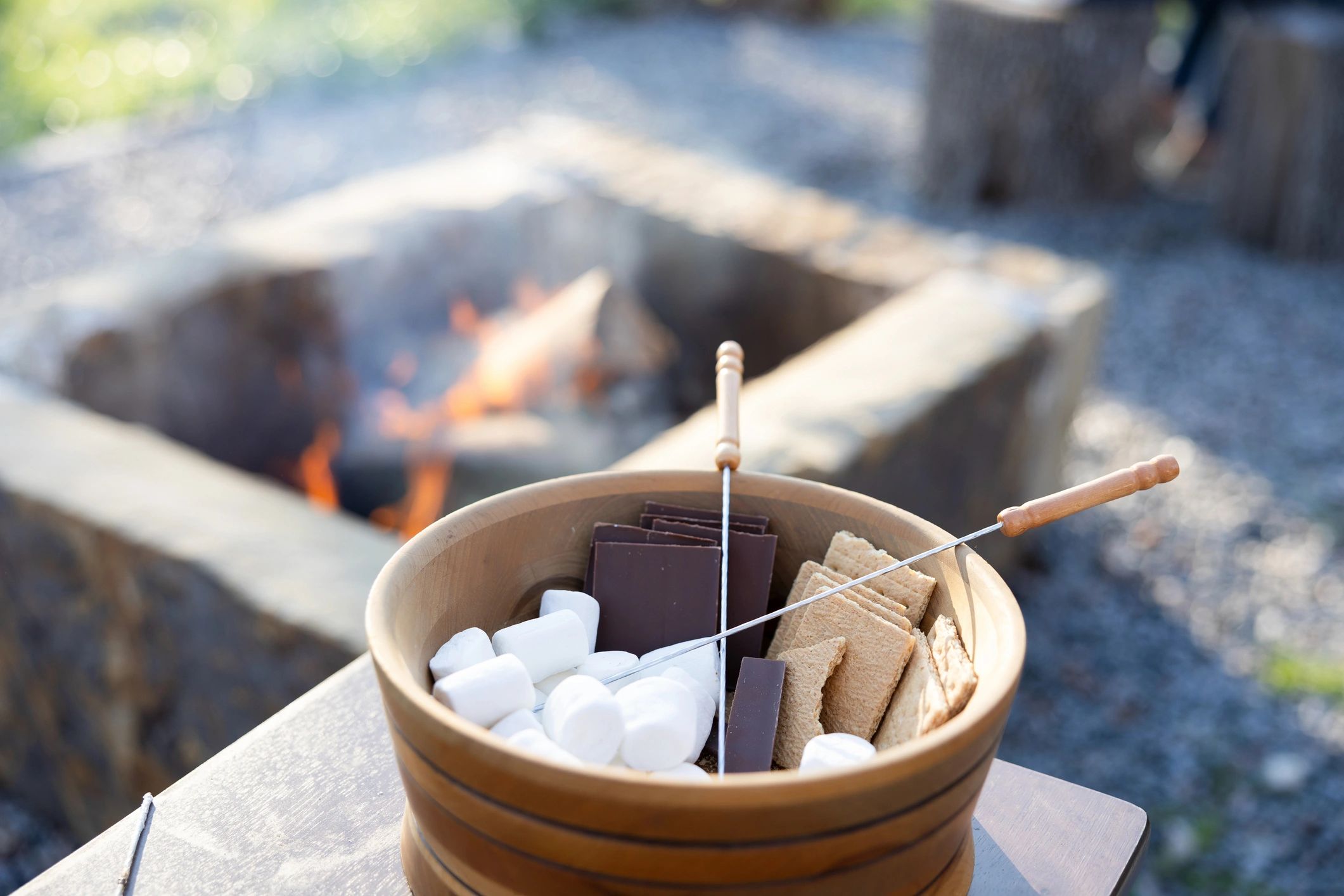
Spread chocolate chips in an even layer in the skillet. Cover completely with mini marshmallows.
Cooking Instructions
Set the skillet on a grate over medium coals.
Cover loosely with foil and cook 5 to 7 minutes.
Remove the foil once the chocolate is melted and marshmallows are soft.
Serve with graham crackers for dipping.
Camp Cooking Tips
Watch closely near the end: marshmallows can brown quickly over live fire. For more color, uncover the skillet for the final minute while keeping it away from direct flames.
A vehicle emergency kit should help you handle delays, breakdowns, changing weather, and the first hours of an unexpected situation.
Water and shelf-stable food
Keep drinking water and easy-to-store food that you rotate regularly. Choose items that can handle temperature changes in your vehicle.
Light and power
Pack a flashlight or headlamp, spare batteries, a charging cable, and a charged power bank.
Warmth and weather protection
Include a blanket, rain layer, gloves, and seasonally appropriate clothing. Add sun protection in warmer months.
First aid and basic tools
A first-aid kit, multi-tool, work gloves, duct tape, and a small roll of cordage cover many common needs. Keep a vehicle-specific tool kit and tire equipment accessible.
Roadside essentials
Carry jumper cables or a jump starter, reflective triangles, a tire pressure gauge, and a compact air compressor if appropriate for your vehicle.
Personal information
Keep emergency contacts, relevant medical details, and copies of important information in a protected location. Review your kit at least twice a year.
A capable camping setup does not need to be expensive. Focus on comfort, safety, and gear you will use repeatedly.
Choose a simple shelter
Start with a weather-appropriate tent, ground tarp, and sleeping pad. A modest setup that stays dry is better than a complicated one you do not understand.
Build a sleep system first
Prioritize a sleeping bag rated for your expected temperatures and an insulated pad. Good sleep makes every other part of the trip better.
Keep camp cooking basic
A compact stove, fuel, lighter, pot, mug, and reusable utensils cover most beginner meals. Add specialized kitchen gear only after you know you will use it.
Buy used where it makes sense
Camp chairs, coolers, cookware, and storage bins are often easy to find secondhand. Inspect zippers, seams, and fuel-related gear carefully before buying.
Upgrade after real trips
Take a few trips with your basic kit, note what is uncomfortable or missing, then upgrade one useful item at a time.
California can still reward a self-contained traveler with big horizons, quiet mornings, and a campsite that feels far from the nearest town. The catch is that dispersed camping is never a promise: access, legal camping areas, and conditions can change quickly.
This guide focuses on broad regions and routes rather than pinning a “secret spot.” Use it as a planning list, then confirm the details with the agency that manages the land before you leave.
Camp responsibly: Before travel, verify current land-manager rules, seasonal closures, fire restrictions, road conditions, and site-specific camping legality. Do not assume a roadside pullout or an old online pin is legal or open. Stay on durable, legal routes, pack out everything, and leave a site better than you found it.
1. Alabama Hills and the Eastern Sierra
Rounded granite boulders frame huge views of the Sierra Nevada near Lone Pine. The scenery is dramatic at sunrise and sunset, and the area makes a strong base for exploring the Owens Valley.
Plan for: designated camping rules, wind, cold nights, and busy periods. Check current Bureau of Land Management guidance and use only legal camping areas.
2. Owens Valley Public Lands
Between the Sierra and the White Mountains, Owens Valley delivers long sightlines, dry air, and a useful corridor for a road trip through eastern California. It is a region, not one guaranteed campsite, so research the specific parcel and access road.
Plan for: high winds, extreme temperature swings, limited shade, and soft or washboard roads after weather.
3. Mammoth and Inyo Forest Roads
Forest roads around the eastern Sierra can put you close to volcanic terrain, high peaks, and trail access. Summer is the main window, but snow, fire closures, and road damage can reshape plans fast.
Plan for: elevation, afternoon storms, mosquitoes, bear-aware food storage, and forest-specific dispersed-camping rules.
4. Mojave National Preserve
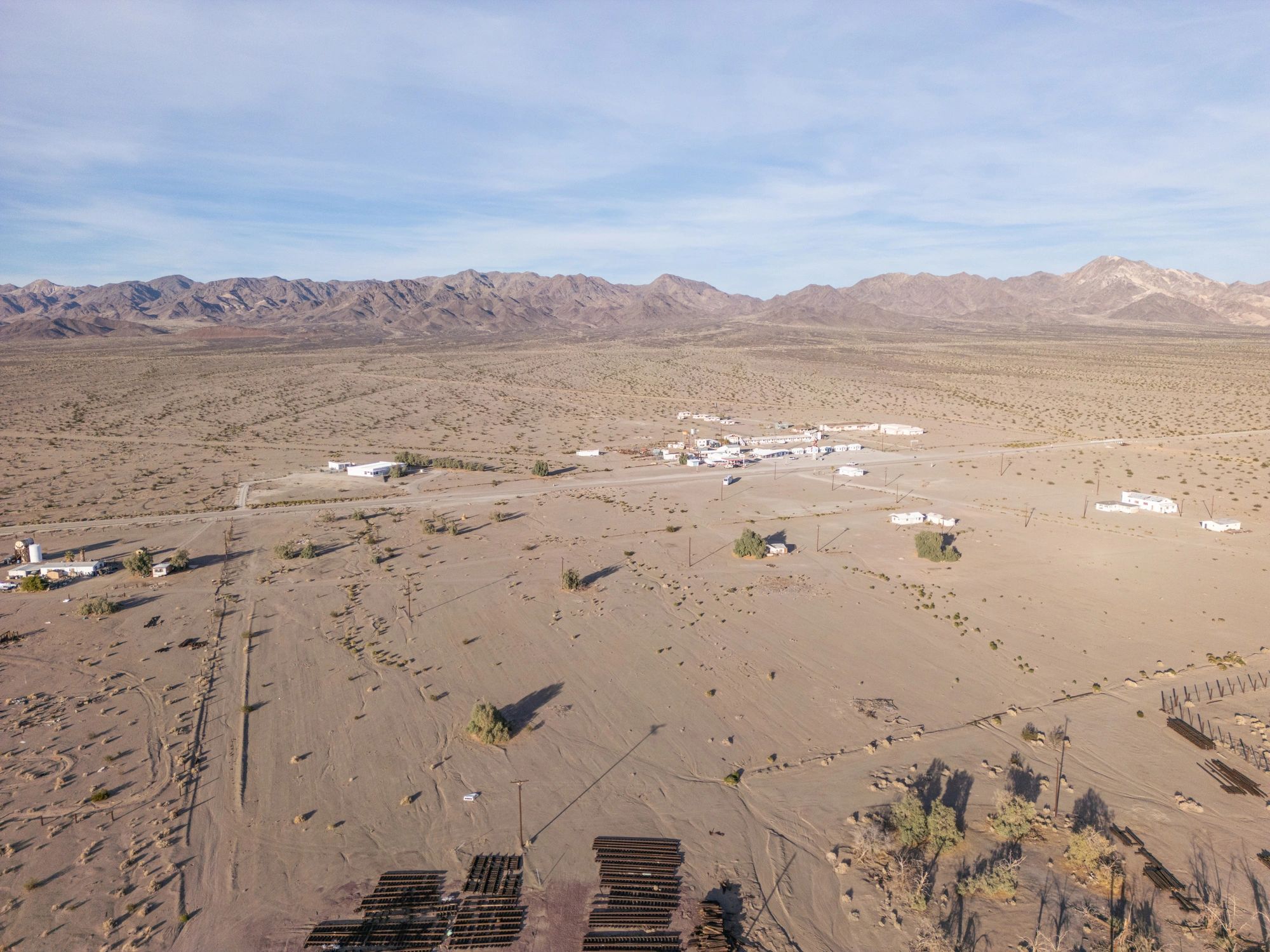
Joshua trees, volcanic features, broad basins, and exceptionally dark skies make the Mojave a classic off-grid destination. Its scale is part of the appeal, but it also means services are sparse and recovery can be difficult.
Plan for: a full fuel tank, extra water, paper maps, tire repair capability, and National Park Service rules for the exact area you intend to visit.
5. Anza-Borrego Desert State Park
Badlands, ocotillo, palm oases, and wide desert washes make Anza-Borrego especially compelling in the cooler months. The landscape is fragile, and many routes demand more clearance and judgment than they appear to on a map.
Plan for: cool-season travel, heat avoidance, designated open areas, and park rules that may limit where vehicles and camping are allowed.
6. Death Valley Backcountry Corridors
Death Valley offers immense desert scale, layered mountains, and some of California’s most memorable night skies. It is also unforgiving. Treat it as a serious remote-travel destination, not a casual overnight stop.
Plan for: cooler seasons, strict park regulations, route-specific road status, and enough water and fuel to handle delays without help.
7. Los Padres National Forest
Los Padres combines chaparral ridges, oak country, and mountain roads within reach of California’s central coast. The views can be excellent, but fire history and seasonal closures make current information essential.
Plan for: narrow mountain roads, changing fire restrictions, limited turnarounds for larger rigs, and local forest-order updates.
8. Sequoia National Forest
High-elevation forest roads, granite country, and cooler summer temperatures make Sequoia National Forest a strong contrast to the desert. The best approach is to identify legal dispersed-camping zones before driving up a spur road.
Plan for: steep grades, tree clearance, afternoon weather, campfire restrictions, and food storage appropriate for wildlife country.
9. Shasta-Trinity National Forest
Northern California’s Shasta-Trinity region offers forested ridges, reservoirs, volcanic views, and a feeling of real distance from the city. It is a better fit for travelers who enjoy slower, route-based exploration.
Plan for: long distances between services, changing road surfaces, smoke or fire impacts, and seasonal snow at higher elevations.
10. Lassen National Forest
Lassen country brings volcanic landscapes, lakes, pine forest, and quieter roads than many of the state’s marquee destinations. It can be a rewarding summer and early-fall option when routes are open.
Plan for: a short snow-free season, forest-road closures, mosquitoes near water, and a conservative turnaround plan for trailers and larger vans.
Packing and Prep Checklist
Offline maps plus a paper backup
More water than your normal overnight estimate
Full fuel tank and a buffer for detours
Spare tire, tire plug kit, compressor, and basic recovery gear
Weather-appropriate sleep system and layers
Headlamp, power bank, and a reliable way to communicate
Trash bags, toilet setup where required, and Leave No Trace supplies
Current fire information and a legal, safe cooking plan
Downloaded land-manager maps and the phone number for the local field office
Go Prepared, Stay Flexible
The best California boondocking trips are built around flexibility. A closed road, high wind, or fire restriction does not have to end the trip if you have a second legal option, enough supplies, and the discipline to turn around when conditions say so. Pick a region, do the homework, and let the view be the reward for traveling responsibly.